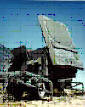
The Missile Defense Agency made progress in installing land-based interceptors and sea-based missiles and upgrading ships' combat systems over the past two years, but spent at least $1 billion more than planned. On Monday, the Government Accountability Office said its investigation found cost overruns with individual programs but couldn't put a dollar figure on the agency's overall spending for 2006 and 2007. That's because the Missile Defense Agency deferred some budgeted work into the future and because contractors used a planning method that did not link time and money spent with work completed. The Missile Defense Agency, the largest research and development program inside the Defense Department, is funded at up to $10 billion a year. The agency oversees the nation's system of missiles and other interceptors intended to detect, track and shoot down incoming missiles before they strike. The GAO also noted that unprecedented flexibility in funding and decision making has made the Missile Defense Agency less accountable and transparent than other major government programs. In its report, the GAO said technical difficulties, unrealistic planning and other problems resulted in cost overruns at five key Missile Defense Agency programs in fiscal year 2007. It projected total cost overruns of up to $1.9 billion on those contracts. Those include: -- a $22.1 million overrun in fiscal year 2007 for the Ground-based Midcourse Defense System, a Boeing Co. program designed to detect and track missiles following launch and intercept and destroy them while in flight. The GAO projects total cost overruns of up to $1.42 billion for the program. -- a $91.1 million overrun in fiscal year 2007 for the Terminal High Altitude Area Defense, or THAAD, a mobile system built by Lockheed Martin Corp. that can shoot down short and medium-range ballistic missiles. The GAO projects total cost overruns of $325.8 million for the program.